


Rebuilding a Marketplace Without Losing What Already Works
Lessons from complex WordPress marketplace work: preserve trust, improve UX, and plan migrations carefully.
“A rebuild should feel like an upgrade to users, not a surprise reset.”

Rebuilding a marketplace is not a greenfield launch. Listings, sellers, buyers, SEO equity, and hard-won trust already exist. weROI helps Kingston and remote teams rebuild marketplaces without discarding what already works: stable URLs, proven flows, and content that still earns traffic. Treat migration discipline as product work equal to the new UI, because broken deep links punish sellers and buyers who already trust the marketplace.
This article is a practical rebuild playbook. You will inventory what to keep, migrate search equity carefully, redesign conversion without shocking returning users, and ship in phases so the business keeps trading while the stack improves. The goal is a stronger product, not a prettier demo that loses sellers overnight. Phased delivery keeps cash flowing while you replace the fragile parts of the stack with systems operators can actually run day to day.
Inventory the assets that already convert
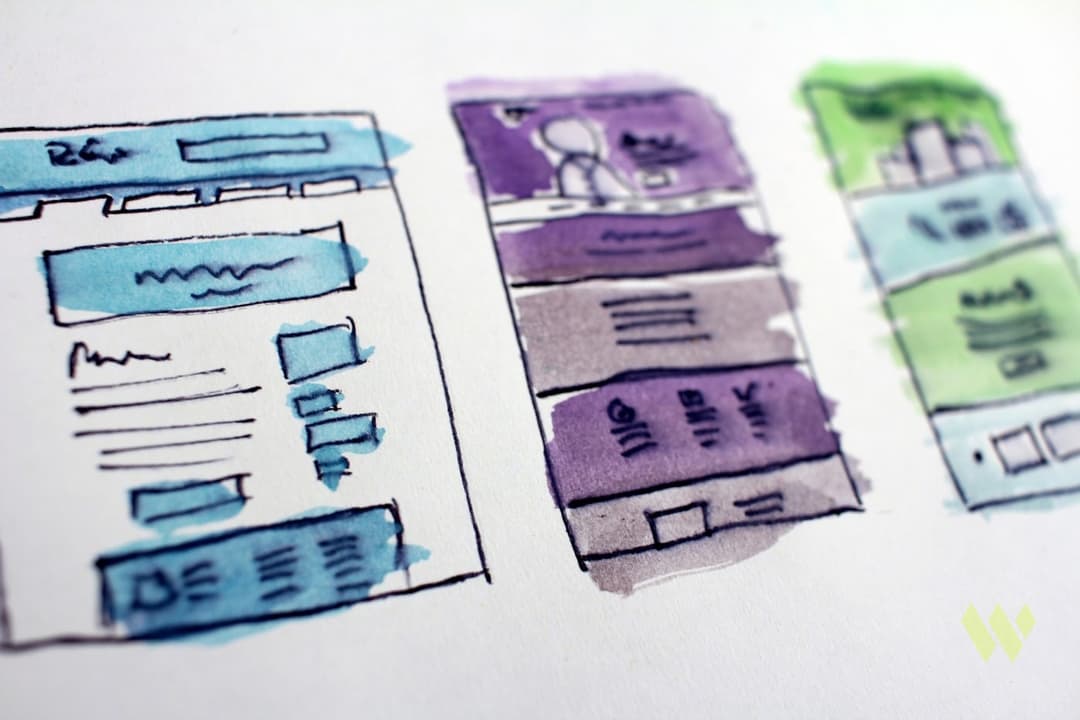

Before wireframes, list the URLs, categories, and flows that produce listings, messages, or payments today. Export analytics and Search Console winners. Talk to support and power sellers about friction they already tolerate versus friction that drives them away. Rebuilds fail when teams redesign from taste alone and ignore the paths people already know.
Mark sacred cows carefully. A clunky but trusted checkout may need polish, not a total reinvention on day one. A neglected blog post that still ranks for a money phrase deserves a redirect plan and refreshed content, not a quiet delete.
Interview support weekly during planning. Their ticket themes are a better roadmap than a feature brainstorm that ignores how disputes and payouts already work.
Preserve search equity during migration
Redirects are product work
Map old URLs to new ones with permanent redirects. Keep category and listing patterns stable when possible. Update internal links, sitemaps, and canonicals in the same release window. Soft-404s and redirect chains quietly erase years of marketplace SEO.
weROI treats migration as a checklist with owners: who owns the redirect map, who validates indexing, who watches GSC after cutover. Worldwide buyers and Jamaican sellers both arrive from search; neither group forgives broken deep links.
Validate a sample of redirected URLs in Search Console after cutover and watch for soft-404 patterns that appear only on mobile user agents.
Rebuild UX in layers, not one big bang
Ship navigation and findability improvements first if discovery is the bottleneck. Improve listing quality and messaging next if conversion is the bottleneck. Save experimental visual systems for after core jobs work on mid-range phones and slower connections common in the Caribbean and traveling diaspora.
Keep WhatsApp, email, or in-app chat paths obvious if that is how deals close. Marketplace buyers often need human reassurance. A sleek UI that hides contact options will look modern and convert worse.
Instrument the rebuilt flows with events for listing created, message sent, and checkout started so you can compare apples to apples against the old stack.
Data, roles, and admin that operators can run
Custom software matters when plugins cannot express your fees, moderation, or multi-sided roles. Design admin tools for the people who will use them daily in Kingston or remote. Clear permissions beat clever screens nobody trusts.
Train moderators on the new admin before public launch. A beautiful buyer UI with a confusing back office will recreate the same operational debt you just paid to escape.
- Seller onboarding with verification steps you can actually staff
- Buyer trust signals that use real reviews, not invented scores
- Exportable reports for finance and support
- Audit logs for disputes and takedowns
- Mobile-friendly moderation for after-hours issues
Communicate change to sellers and buyers
Announce timelines, what stays the same, and what improves. Offer short guides and a support channel. Returning users punish surprise. New users only see the new product, so balance loyalty messaging with first-run clarity.
Measure success with listings created, completed conversations, and successful checkouts, not only pageviews. Avoid inventing lift percentages for case studies. Report what moved in analytics and what you still need to fix.
Offer office hours for power sellers in Kingston timezone and a recorded walkthrough for overseas participants who cannot attend live.
When to partner with an agency on a rebuild
Bring in weROI when you need product clarity, migration discipline, and shipping velocity without freezing the live marketplace. We scope phases with rollback awareness and keep Jamaica timezone collaboration workable for worldwide stakeholders. The rebuild should leave you with a system your team can operate, not a mystery stack only freelancers understand.
Agree on a rollback trigger in writing. Knowing when to pause beats improvising during an outage with angry chats stacking up.
Practical steps you can take this week
- Export top landing pages, categories, and conversion events from the current marketplace. Tag each item by revenue criticality.
- Draft a URL map with permanent redirects for every indexed money URL. Have two people spot-check the map.
- List seller and buyer jobs that must work on day one of the new stack. Demo the jobs on a mid-range Android.
- Prototype the highest-friction flow on mobile before visual polish. Include a support contact in the note.
- Write a short change note for sellers covering dates, support, and what stays familiar. Assign owners for SEO and engineering watches.
- Plan a two-week post-launch watch on Search Console, error logs, and support tickets. Review tickets daily in the first week.
FAQs
Should we freeze features during a rebuild?
Freeze risky experiments, not critical bug fixes. Protect revenue paths while you migrate. Small safe improvements can continue if they do not collide with the URL or schema plan. Keep a visible freeze list so engineers and marketers do not collide mid-cutover.
Can we redesign the brand and the product at once?
You can, but sequence carefully. If both change on the same day, support load spikes and learning gets noisy. Often a product stability pass first, then a brand refresh, is kinder to sellers. Sequence identity changes after core trading flows are stable whenever you can.
How do we keep SEO during a platform change?
Preserve URLs when possible, redirect when not, keep titles and unique content, resubmit sitemaps, and monitor coverage. Content quality still matters after the stack swap. Content quality and internal links still decide whether the new URLs earn trust.
Plugins versus custom build for marketplaces?
Plugins are fine until fees, roles, or moderation outgrow them. Custom software is justified when workarounds create weekly risk. weROI helps you decide with a clear scope, not a fashion preference. Revisit the decision when weekly workarounds start to scare finance or support.
What proof should we show after relaunch?
Public URLs, honest process stories, and metrics you can defend in analytics. Skip fabricated conversion lifts. Sellers trust screenshots of real flows more than abstract charts. Live URLs and process stories travel further than abstract charts in seller communities.
Communication plans during marketplace migrations
Operators need checklists, rollback notes, and demo checkpoints. Users need clear notices when flows change. Surprises create support debt. Stage first, announce second, cut over third.
Preserve trust signals: reviews, known navigation patterns, and critical content equity. Novelty belongs in friction points, not in every familiar path.
Going deeper on Rebuilding a Marketplace Without Losing What Already Works
This section expands practical guidance for teams working with weROI on websites initiatives across Jamaica and worldwide remote delivery. Use it as an operating checklist beside the steps above.
A conversion-focused website is a system: information architecture, performance, accessibility, and messaging that survive real phones on Jamaican networks and overseas Wi-Fi alike. Decoration without a clear next step are unfinished products.
Key takeaways
- Inventory converting URLs and flows before redesigning
- Treat redirects and indexing as first-class product work
- Ship marketplace rebuilds in layers that protect trading
- Measure listings and completed deals, not vanity traffic alone